Teething is an exciting yet challenging milestone in a baby’s life. It marks the arrival of those first little teeth that pave the way for proper chewing, speech development, and a healthy smile. While it’s a natural process, understanding what to expect can help parents manage the discomfort and support their baby through this phase.
When Do Babies Start Teething?
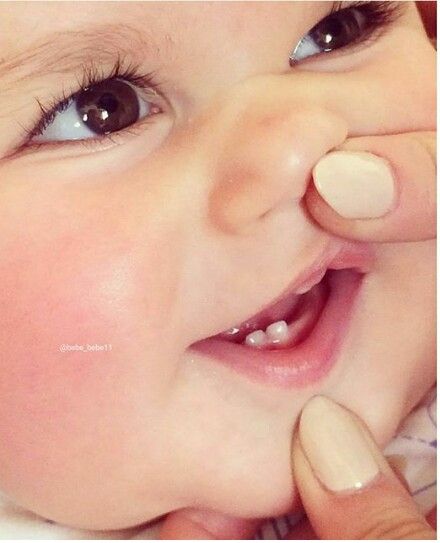
Most babies begin teething between 4 to 7 months of age, although some may start as early as 3 months or as late as 12 months. The lower central incisors (the bottom front teeth) typically appear first, followed by the upper central incisors. By the age of 3, most children have a complete set of 20 primary teeth.
It’s important to remember that every baby is different. Teething timelines can vary, and a slight delay is usually not a cause for concern.
Common Signs and Symptoms
Teething can cause various symptoms, and babies may experience them differently. Some of the most common signs include:
- Increased Drooling
Excess saliva is one of the first signs of teething. Drooling may lead to a rash on the chin, neck, or chest. - Chewing and Biting
Babies often chew on toys, fingers, or even clothing to relieve the pressure and discomfort in their gums. - Irritability and Fussiness
The eruption of teeth can cause discomfort, leading to mood changes and trouble sleeping. - Swollen or Tender Gums
The gums may appear red or swollen, especially just before a tooth emerges. - Changes in Eating Habits
Some babies may refuse food due to sore gums, while others may crave cold or hard items to gnaw on. - Mild Fever or Disturbed Sleep
While teething can sometimes slightly raise body temperature, persistent fever or illness should be checked by a pediatrician.
Less Common Symptoms
Some babies may also experience diarrhea, ear pulling, or a slight drop in appetite. However, severe symptoms like high fever, vomiting, or persistent diarrhea are not typically caused by teething and require medical attention.
Teething Order and Timeline
Understanding the usual order of tooth eruption can help parents anticipate the process:
- Lower central incisors: 6–10 months
- Upper central incisors: 8–12 months
- Upper lateral incisors: 9–13 months
- Lower lateral incisors: 10–16 months
- First molars: 13–19 months (lower), 14–18 months (upper)
- Canines (cuspids): 16–22 months (lower), 17–23 months (upper)
- Second molars: 23–31 months (lower), 25–33 months (upper)
Keeping track of this timeline can help parents ensure proper oral development and identify any delays that may need professional evaluation.
How to Soothe Teething Discomfort
While teething cannot be prevented, there are several ways to alleviate discomfort:
- Teething Toys
Rubber or silicone teething rings provide a safe surface for babies to chew on. Chilling (but not freezing) them can offer extra relief. - Gum Massage
Gently rubbing the baby’s gums with a clean finger can reduce pain and pressure. - Cold Washcloths or Spoons
Cold objects can numb sore areas and provide comfort. - Pain Relief (If Needed)
For extreme discomfort, consult your pediatrician about using infant acetaminophen or ibuprofen. Avoid teething gels containing benzocaine, as they can be harmful to babies. - Comfort and Cuddles
Extra attention and reassurance can help babies cope with irritability during this time.
Oral Hygiene During Teething
It’s essential to start oral care even before the first tooth appears. Wiping gums with a soft, damp cloth and gently brushing newly erupted teeth with a soft-bristled baby toothbrush and a tiny smear of fluoride toothpaste ensures healthy dental development. Early oral hygiene habits can prevent cavities, gum infections, and other dental problems.
When to Consult a Dentist
While teething is a natural process, parents should consult a dentist if they notice:
- Delayed tooth eruption beyond 18 months
- Misaligned or unusually shaped teeth
- Severe pain, bleeding, or signs of infection
- Concerns about oral development
Early consultation helps identify issues like early childhood cavities or bite problems and ensures the foundation for a healthy smile.
Preparing for a Healthy Smile
Teething is just the beginning of a lifelong journey of oral health. Parents play a crucial role in supporting their baby during this stage, from managing discomfort to instilling good oral hygiene habits. Encouraging proper nutrition, safe chewing practices, and routine dental check-ups will ensure your baby’s teeth develop strong and healthy.
Conclusion
At Pune Best Dentist, Kharadi, Dr. Aashish Dilip specializes in comprehensive dental care, including orthodontics and smile design. With his advanced training and precision-driven approach, he focuses on restoring both the function and aesthetics of your child’s smile. Whether it’s managing early dental concerns, planning corrective treatments, or ensuring overall oral health, Dr. Aashish provides personalized care tailored to each patient. His clinic in Kharadi, Pune, is equipped to deliver complete dental transformations that not only build healthy, beautiful smiles but also instill confidence and enhance quality of life. Starting dental care early sets the stage for lifelong oral health, making professional guidance invaluable from the very first tooth.