Many people want a perfectly aligned smile, but they don’t want metal braces on their teeth. The reason is simple — traditional braces are clearly visible, and for adults especially, they can feel awkward in professional and social situations. Whether you’re working, attending college, meeting clients, taking photos, or simply talking confidently, visible braces often make people hesitate.
That’s where invisible braces come in.
Invisible braces are modern orthodontic options that help straighten teeth in a discreet way. Depending on your case and the type you choose, the braces can look barely noticeable—or even stay completely hidden from the front view. This means you can improve your smile without feeling self-conscious during the treatment period.
In this blog, we’ll cover what invisible braces actually are, the different types available, what dental problems they can correct, and what you should expect from start to finish.
What Exactly Are Invisible Braces?
“Invisible braces” is not one single product. It is a broad term used for teeth-straightening solutions that don’t have the typical metal-braces appearance.
Instead of thick metal brackets and wires, invisible braces can include:
- clear aligner trays
- tooth-coloured ceramic braces
- lingual braces (fixed on the inner side of teeth)
All of these methods work on the same principle: apply controlled pressure to teeth gradually so they move into a better position. The difference is mostly in appearance, comfort, and daily maintenance.
Why Invisible Braces Are Preferred Today
Traditional braces do the job, but invisible braces fit better into a modern lifestyle. People prefer them because the treatment stays subtle and feels easier to manage.
Common reasons patients choose invisible braces:
- the braces are less noticeable
- you can smile confidently during treatment
- they often feel smoother and more comfortable
- cleaning teeth becomes easier in many cases
- treatment can be planned more accurately with new technology
- they suit adults, teens, and working professionals
For many people who avoided braces in school years, invisible braces feel like a second chance to fix their smile without embarrassment.
Main Types of Invisible Braces
The best option depends on your tooth alignment, bite condition, age, and lifestyle. Let’s understand the major types clearly.
1) Clear Aligners (Transparent Tray Braces)
Clear aligners are plastic trays that fit tightly over teeth. You wear them most of the day and switch to the next tray as your teeth move.
Why this option is popular:
- trays are transparent and look natural
- you can remove them during meals
- no wires, no cuts, no bracket irritation
- brushing and flossing is easier
- fewer food restrictions compared to fixed braces
Clear aligners usually work well for:
- mild to moderate crooked teeth
- small gaps between teeth
- crowding issues
- relapse after old braces
- minor bite corrections (in selected cases)
2) Ceramic Braces (Tooth-Matching Brackets)
Ceramic braces work similar to traditional braces, but the brackets are tooth-coloured. That makes them far less noticeable.
Why ceramic braces are chosen:
- fixed on teeth, so treatment stays consistent
- stronger control for tooth movement
- good for patients who don’t want removable aligners
- looks more aesthetic than metal braces
Ceramic braces are often suggested when:
- the alignment issue is more complex
- stronger correction is needed
- patient wants fixed braces but not metal
3) Lingual Braces (Braces Behind the Teeth)
Lingual braces are placed on the inner surface of teeth, not the front. So, they remain hidden when you smile.
Benefits of lingual braces:
- completely hidden from the front
- fixed braces (strong correction)
- suitable for people who want full invisibility
However, lingual braces may:
- take time to adjust in speech
- need careful brushing
- feel uncomfortable in the beginning
What Issues Can Invisible Braces Fix?
Invisible braces can improve a wide range of alignment concerns, such as:
- uneven or crooked teeth
- overcrowding
- gaps and spacing
- teeth sticking outward
- mild to moderate bite problems
- shifting teeth after past braces treatment
Important point: every case is different. Some complex bite problems may need fixed braces, hybrid techniques, or additional orthodontic support. That’s why a proper dental assessment is the first step.
The Treatment Journey: What Happens Step-by-Step?
Invisible braces may look simple from outside, but the process is structured and planned.
Step 1: Dental Consultation
The dentist examines:
- tooth positions
- bite and jaw balance
- gum health
- cavities and infections
Any decay or gum swelling must be treated first.
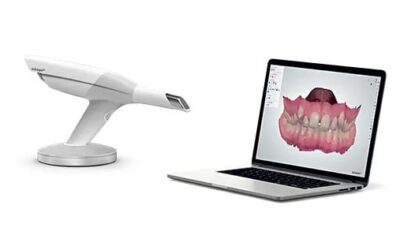
Step 2: Scans and Records
Depending on the braces type:
- aligners often use digital scans
- ceramic/lingual braces may require impressions and bite measurements
This helps create a clear movement plan.
Step 3: Custom Treatment Plan
You will be guided about:
- which option suits your case
- expected improvement
- approximate treatment phases
- hygiene and care rules
This ensures there’s no confusion later.
Step 4: Starting the Treatment
- aligners: trays are provided with wearing instructions
- ceramic braces: brackets are fixed on teeth
- lingual braces: braces are placed on inner side
Step 5: Regular Monitoring
Follow-ups ensure:
- correct movement
- bite stability
- no unwanted shifting
- healthy gums and clean teeth
Does Invisible Braces Treatment Cause Pain?
Tooth movement creates pressure, so mild discomfort is normal. You may feel:
- tightness for the first day or two
- soreness while chewing
- slight irritation initially (mostly in fixed braces)
This settles as your mouth adapts.
How to Care for Invisible Braces
Good hygiene plays a huge role in results.
For aligners:
- wear them 20–22 hours daily
- clean trays daily
- remove before tea/coffee
- keep them in a case, not in tissue
For ceramic or lingual braces:
- brush after meals
- use interdental brush
- avoid sticky foods
- maintain regular check-ups
Conclusion
Invisible braces have transformed the way people straighten their teeth, making treatment far more comfortable and confidence-friendly. You no longer have to choose between improving your smile and feeling self-conscious about visible metal braces. Options like clear aligners, ceramic braces, and lingual braces allow teeth to be corrected discreetly while still achieving proper alignment and a healthier bite.
The key to successful invisible braces treatment is proper diagnosis, careful case selection, and consistent monitoring throughout the process. When planned correctly, these treatments provide stable, long-lasting results along with better oral function and improved smile aesthetics.
At Pune Best Dentist, invisible braces treatment is handled by Dr. Aashish Dilip with detailed evaluation, customized treatment planning, and regular follow-ups to ensure safe, effective, and predictable results.