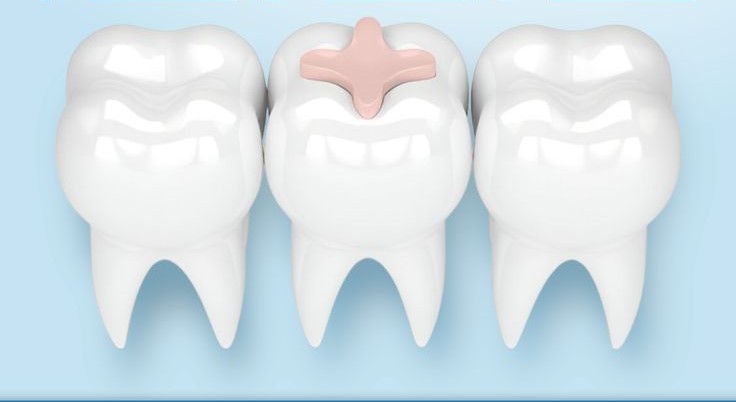
A cavity is one of the most common dental problems, and if it is not treated on time, it can slowly damage the tooth and create pain while eating or drinking. The good part is: when a cavity is detected early, it can be fixed easily with a dental filling.
Today, most patients prefer tooth-colored fillings because they look natural, blend with the tooth, and restore function without affecting the smile. Unlike old silver fillings, tooth-colored fillings are designed to match your teeth so the restoration is almost invisible.
This blog explains what tooth-colored fillings are, how they work, and why they are one of the best options for treating cavities.
What is a Tooth-Colored Filling?
A tooth-colored filling, also called a composite filling, is a restoration used to repair a tooth that has:
- tooth decay (cavity)
- minor chips or cracks
- worn edges
- small gaps in teeth
It is made from a mixture of resin and glass-like particles, which creates a strong material that can be shaped to look like your natural tooth.
The biggest advantage is that it can be color-matched to your tooth shade, making it look very natural—especially for front teeth.
When Do You Need a Tooth-Colored Filling?
Your dentist may recommend a tooth-colored filling if you have:
- black or brown spots on teeth
- pain while chewing
- sensitivity to cold, hot, or sweet foods
- visible holes or pits on tooth surface
- broken or chipped tooth corner
- old filling that has become loose or discolored
The best time to get a filling is early. A small cavity can be treated with a simple filling, but if it becomes deep, it may require a root canal.
How is Tooth-Colored Filling Done? (Step-by-Step)
Many patients worry about pain, but filling procedures are usually comfortable and quick. Here’s how it is done:
1) Examination and X-ray
The dentist checks the tooth and may take an X-ray to see the depth of decay.
2) Numbing (if needed)
If the cavity is deep or sensitive, local anesthesia is given to keep you comfortable.
3) Cleaning the cavity
The decayed part of the tooth is removed carefully.
4) Filling placement
The tooth-colored filling material is added in layers and shaped to match your tooth.
5) Hardening with curing light
A special light is used to harden the material.
6) Final polishing
The dentist smoothens and polishes the filling so it feels natural while chewing.
Most fillings can be done in one visit, and you can return to normal routine the same day.
Benefits of Tooth-Colored Fillings
Tooth-colored fillings are popular for a reason. They are not just about beauty—they are also functional and safe.
1) Natural and Invisible Look
This is the biggest benefit. The filling is matched with your tooth shade, so it blends in and does not look artificial. This is especially important for:
- front teeth fillings
- smile zone restorations
- small cracks or chips
2) Strong Bonding with Tooth
Composite fillings chemically bond to your tooth structure. This gives a strong hold and supports the tooth better compared to older filling types.
Because of this bonding, tooth-colored fillings often require less tooth cutting than metal fillings.
3) Less Tooth Removal
To place a silver filling, dentists often need to remove extra tooth structure to create a shape that holds the metal. In tooth-colored fillings, bonding does the job.
That means:
more natural tooth is saved.
4) Safe Choice (No Metal Look)
Many patients don’t like the dark metal look of old fillings. Tooth-colored fillings do not create grey or black shadows in teeth.
They are also free from the “metal shine” problem, which is common in silver fillings.
5) Good for Small-to-Moderate Cavities
Composite fillings are a great option for treating:
- early cavities
- moderate decay
- minor fractures
- tooth wear
If the cavity is treated early, tooth-colored fillings can last many years with proper care.
6) Helps Repair Chipped or Cracked Teeth
Tooth-colored fillings can also be used for cosmetic repair, such as:
- small chips after a fall
- worn-out edges
- small cracks
This makes it a versatile option, not just for cavities.
How Long Do Tooth-Colored Fillings Last?
A good tooth-colored filling can last 5 to 10 years or more, depending on:
- size of filling
- tooth location (front vs back tooth)
- oral hygiene
- food habits
- grinding/clenching habit
Back teeth fillings may wear faster because of chewing pressure. But with proper polishing, bite correction, and good brushing, they can last long.
Tooth-Colored Filling Aftercare Tips
To increase the life of your filling:
- avoid very hard foods for 24 hours
- brush twice daily with fluoride toothpaste
- floss daily (very important)
- avoid chewing ice or hard candies
- visit dentist for regular check-ups
- treat teeth grinding if you have it
A little sensitivity after filling is normal for a few days. If sensitivity stays longer, you should visit the dentist.
Conclusion
Tooth-colored fillings are one of the best modern solutions for cavities and minor tooth damage. They restore the tooth naturally, protect it from further decay, and maintain the beauty of your smile. If you treat cavities early, you can avoid pain, bigger treatment, and long-term complications.
If you notice sensitivity, holes, or dark spots on teeth, don’t delay. Early filling treatment saves your tooth and keeps your smile healthy.
Doctor Name: Dr. Aashish Dilip
Clinic Name: Pune Best DentistWebsite: https://punebestdentist.com/