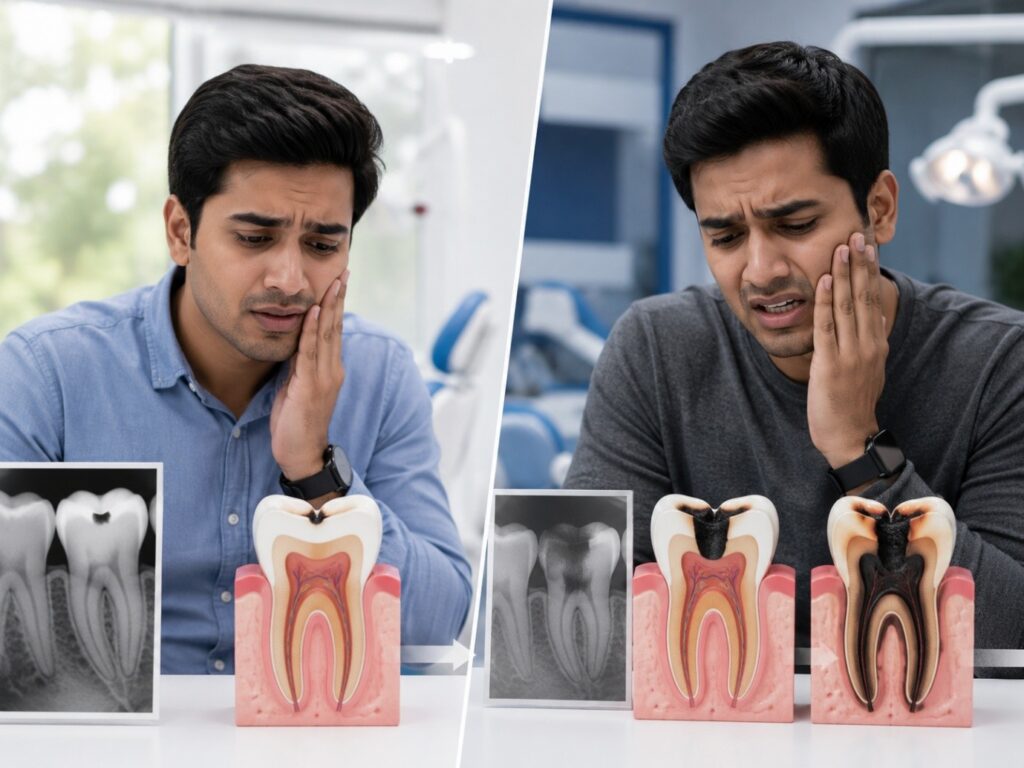
Why Dental Problems Often Become More Expensive When Care Is Delayed
When Ankit first noticed a slight sensitivity in one of his teeth, he wasn’t particularly concerned.
The discomfort only appeared when he drank something cold, and it disappeared within a few seconds. Since it wasn’t affecting his daily routine, he convinced himself it could wait. Between work commitments, family responsibilities, and a busy schedule, visiting a dentist never seemed urgent enough.
Weeks turned into months.
The sensitivity gradually became more noticeable. Occasionally, chewing on one side felt uncomfortable. Still, Ankit postponed treatment, hoping the problem would resolve on its own. By the time he finally scheduled a dental appointment, the issue had progressed far beyond what he originally expected.
What could have been addressed early with a relatively simple treatment now required considerably more attention.
His experience reflects a situation that many people encounter. Dental problems often begin quietly. Because symptoms are mild or inconsistent, they are easy to ignore. Unfortunately, oral health concerns rarely remain unchanged. Most dental issues become more complicated over time, which can also make treatment more extensive, more time-consuming, and ultimately more expensive.
One of the biggest misconceptions about oral health is that the absence of severe pain means there is no serious problem. In reality, many dental conditions develop slowly. A cavity may begin as a tiny area of tooth damage without causing any discomfort. Early gum disease can progress with only subtle signs such as occasional bleeding while brushing. Small cracks in teeth may cause brief sensitivity but otherwise go unnoticed.
Because these symptoms seem minor, many people assume there is no urgency.
The challenge is that dental problems do not stop progressing simply because they are ignored. Bacteria continue affecting tooth structure, gum inflammation may worsen, and small issues can gradually develop into larger concerns.
A cavity provides one of the clearest examples. In its early stages, tooth decay often affects only the outer layer of the tooth. At this point, treatment is usually straightforward because the damage is limited. However, when decay remains untreated, it can continue moving deeper into the tooth. As more healthy structure is affected, preserving the natural tooth may require more complex restorative care. The longer the condition progresses, the fewer conservative options may be available.
The same principle applies to gum health. Many people overlook occasional bleeding gums because the symptom does not seem serious. However, healthy gums generally do not bleed during normal brushing and flossing. Bleeding may indicate inflammation that deserves attention. When addressed early, gum concerns are often easier to manage. When ignored for long periods, they can affect the supporting structures that help keep teeth stable and healthy.
Cracked or damaged teeth can also become significantly more complicated over time. A small crack may initially cause only mild sensitivity. Since the discomfort comes and goes, many individuals delay seeking care. Yet daily chewing forces continue placing stress on the damaged tooth. Gradually, the crack may deepen, affecting larger portions of the tooth structure. What begins as a manageable concern can eventually compromise the strength and function of the tooth.
One reason people postpone treatment is the belief that delaying a few months will not make a meaningful difference.
In some situations, this may seem true initially. The problem often appears unchanged from day to day. However, oral health issues tend to progress gradually rather than dramatically. Because the changes occur slowly, they are easy to underestimate. By the time symptoms become impossible to ignore, significant progression may already have occurred.
Another hidden cost of delaying dental care is the impact on daily comfort and quality of life. Many individuals adapt to dental problems without realizing it. They begin chewing on one side of the mouth, avoiding certain foods, or tolerating mild discomfort because it feels manageable. Over time, these adjustments become routine.
The problem is that oral health should not require constant adaptation.
Eating, speaking, smiling, and enjoying daily activities should feel natural and comfortable. Delayed treatment often means living with limitations that could potentially have been avoided through earlier intervention.
There is also an emotional aspect that people often overlook. Dental concerns can affect confidence, social interactions, and overall well-being. Visible damage, missing teeth, persistent discomfort, or ongoing oral health concerns can gradually influence how people feel about themselves. Addressing problems early often helps preserve not only oral health but also confidence and peace of mind.
Fortunately, modern dentistry is designed to identify and address concerns before they become major problems. Routine dental examinations allow dentists to detect subtle changes that patients may not notice themselves. Digital imaging and advanced diagnostic tools help uncover issues in their earliest stages, often when treatment is simpler and more conservative.
Preventive care is one of the most effective ways to reduce future dental complications. Regular check-ups, professional cleanings, and early evaluations provide opportunities to identify concerns before they affect larger areas of the mouth. In many cases, the most affordable dental treatment is the one that prevents a bigger problem from developing in the first place.
Many patients are surprised to learn that maintaining oral health is often easier and more predictable than restoring it after years of neglect. Small, proactive steps taken today can help preserve natural teeth, maintain healthy gums, and reduce the likelihood of extensive treatment later.
The reality is that dental problems rarely become less complicated with time. Most continue progressing until they are addressed. What begins as a minor inconvenience can gradually affect comfort, function, confidence, and overall oral health.
Conclusion
Dental problems often start small, making them easy to ignore. However, issues such as cavities, gum disease, tooth damage, and oral infections typically continue progressing when left untreated. The longer treatment is delayed, the greater the likelihood that the condition will require more extensive care and affect a larger portion of the mouth.
Early diagnosis and preventive care remain some of the most valuable investments a person can make in their oral health. Addressing concerns when they first appear often helps preserve natural teeth, reduce complications, and maintain long-term comfort and confidence.
A healthy smile is not created by reacting to problems once they become serious. It is protected through consistent care, regular dental visits, and timely attention to even the smallest signs that something may be wrong.
Your Smile Deserves Thoughtful Care
Best Denteest
Address: Kharadi, Pune
Phone: +91-9876549110, +91-7977028822
Website: https://punebestdentist.com/
At Best Denteest, the focus is on preventive care, early diagnosis, and personalized treatment planning designed to protect long-term oral health. Whether you are experiencing a minor dental concern or simply want to maintain a healthy smile, professional guidance can help you make informed decisions and avoid unnecessary complications in the future. A timely dental visit today can often prevent bigger challenges tomorrow.
Banner
Categories
- 3D Dental Scan
- Baby Care & Development
- Braces Treatment
- Child Dental Care
- Clear Aligners
- Clear Aligners / Invisalign
- Cosmetic Dentistry
- Dental Braces
- Dental Care
- Dental Care & Oral Health
- Dental Care Pune
- Dental Care Tips
- Dental Checkup & Cleaning
- Dental Checkups
- Dental Technology
- Dental Tips
- Dental Treatments
- Family Dentistry
- General Dentistry
- Geriatric Care
- Healthcare Decisions
- Healthy Smile
- Invisalign Treatment
- Invisible Braces
- Oral Health
- Oral Health Tips
- Oral Surgery
- Orthodontic Treatment
- Orthodontic Treatments
- Orthodontics
- Patient Awareness
- Patient Education
- Pediatric Dentistry
- Preventive Dentistry
- Preventive Health
- Senior Health
- Sleep Disorders
- Sleep Health
- Smile
- Smile Makeover
- Teeth Alignment
- Teeth Straightening
- Tooth Extraction
- Uncategorized