A confident smile can make a world of difference in how we feel and how others perceive us. If you’re considering orthodontic treatment, you’ve likely come across two main options: traditional braces and clear aligners. Both are designed to straighten teeth, correct bite issues, and improve overall dental health, but they come with different benefits, limitations, and lifestyle considerations. Understanding these differences can help you make an informed decision for your smile.
Traditional Braces: Tried and True
Traditional braces have been the standard in orthodontics for decades. They consist of metal brackets bonded to the teeth and connected by wires and elastic bands. Over time, these components gently shift teeth into their desired positions.
Advantages of Traditional Braces
- Highly Effective for Complex Cases: Braces are excellent for severe crowding, large gaps, and significant bite problems.
- Precision: Orthodontists can control tooth movement very accurately, making braces ideal for intricate dental adjustments.
- No Daily Compliance Needed: Since braces are fixed, you don’t have to remember to wear them, making them a reliable option for teenagers or anyone who might struggle with discipline.
Considerations with Braces
- Appearance: Metal braces are noticeable, which can be a concern for self-conscious teens or adults. Ceramic or tooth-colored braces are a less visible alternative.
- Diet Restrictions: Foods like sticky candies or hard nuts can damage braces, so adjustments in eating habits are necessary.
- Oral Hygiene Challenges: Braces can make brushing and flossing more difficult, requiring extra care to prevent plaque buildup and cavities.
Clear Aligners: The Modern Alternative
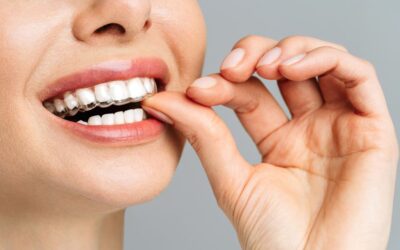
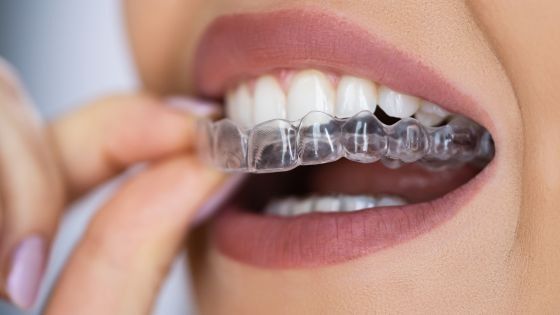
Clear aligners, such as Invisalign, are removable plastic trays that gradually move teeth into alignment. They are custom-made for a snug fit over your teeth and are replaced every 1-2 weeks as your teeth shift.
Advantages of Clear Aligners
- Aesthetic Appeal: Clear aligners are nearly invisible, making them ideal for adults and teens seeking a discreet option.
- Comfort: Smooth plastic trays are generally more comfortable than metal braces since they don’t have brackets or wires that can irritate the mouth.
- Convenience: Removable aligners allow you to eat, brush, and floss without restrictions, making oral hygiene much easier than with braces.
Considerations with Clear Aligners
- Discipline Required: Aligners must be worn 20–22 hours per day. Inconsistent use can prolong treatment.
- Limited for Complex Cases: While effective for mild to moderate dental issues, severe crowding or bite problems may still require traditional braces.
- Cost: Clear aligners can be more expensive than braces, depending on the case and provider.
Factors to Consider When Choosing
When deciding between braces and clear aligners, consider these key factors:
- Severity of Dental Issues: Traditional braces may be better for complex cases, while clear aligners work well for mild to moderate alignment problems.
- Lifestyle and Aesthetics: If you’re concerned about appearance, clear aligners are discreet. Braces, though more noticeable, require less day-to-day attention.
- Commitment: Clear aligners require discipline to wear consistently, while braces are maintained primarily by your orthodontist.
- Age: Both children and adults can benefit from either treatment, but younger patients may respond better to braces due to consistent wear.
- Budget: Costs vary between the two options. Evaluate your budget and insurance coverage to see which fits best.
Making the Decision
Ultimately, the best choice depends on your unique dental needs, lifestyle, and personal preferences. Consulting with a qualified orthodontist is essential to determine which treatment will provide the most effective, safe, and lasting results. Many clinics offer a consultation where they evaluate your teeth, explain your options, and even use digital imaging to simulate the expected outcome.
Conclusion
Both traditional braces and clear aligners are excellent options for achieving a healthier, straighter smile. Braces offer precision and effectiveness for complex cases, while clear aligners provide comfort, convenience, and a discreet appearance. The right choice depends on your dental condition, lifestyle, and personal preferences.
For a professional assessment and personalized orthodontic plan, visit Dr. Aashish Dilip
Office no 207, above ICICI & HDFC Bank, 2nd floor, ZEN SQUARE, Grant Rd, opp. Eon Phase 2, Kharadi, Pune, Maharashtra 411014.
Their experienced team will guide you through every step toward achieving the smile you’ve always wanted.