Tooth loss is more than a cosmetic concern—it can affect your ability to chew, speak clearly, and maintain a healthy jawbone. Thankfully, dental implants provide a strong, realistic, and permanent way to restore missing teeth and bring back full functionality to your smile. Whether you’ve lost a single tooth or need a full-mouth restoration, implants are widely considered the gold standard in tooth replacement.
In this comprehensive guide, you’ll learn about the different types of dental implants, treatment costs in India, aftercare tips, and how implants improve your oral health and confidence.
What Are Dental Implants?
A dental implant is an artificial tooth root—usually made from titanium—that is surgically inserted into the jawbone. Over time, it fuses with the bone through a process called osseointegration, providing a stable base for crowns, bridges, or dentures.
A complete system of dental implants usually comprises:
The implant post (placed within the jawbone)
The abutment serves as the middle piece that links the implant to the visible crown.
The prosthetic tooth or crown
Dental Implants Types
There are some types of dental implants depending on your jawbone condition, the number of missing teeth, and your treatment objectives:
1. Single-Tooth Implant
Best when there is only one missing tooth. One crown is supported by a single implant.
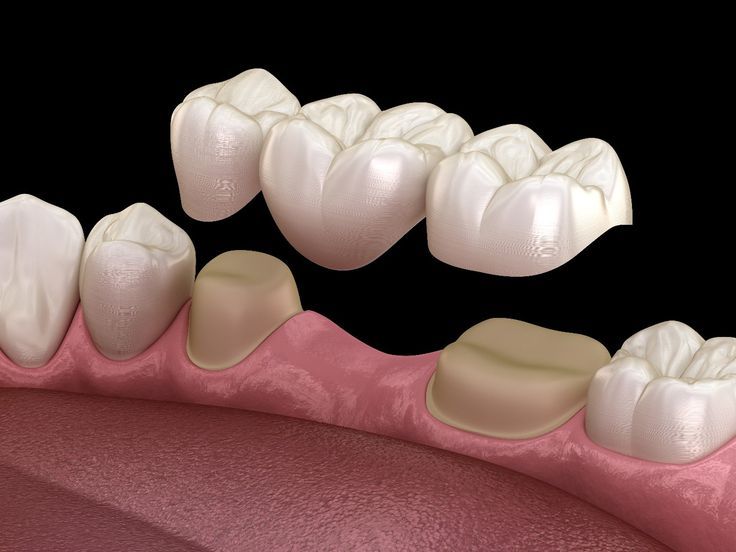
2. Implant-Supported Bridge
Recommended for several missing teeth in a sequence. Two or more implants hold a dental bridge with no impact on surrounding teeth.
3. All-on-4 or All-on-6 Implants
Ideal for individuals with total tooth loss in one or both arches. A complete set of fixed teeth is secured to 4–6 implants, providing a stable alternative to dentures.
4. Zygomatic Implants
Used in cases of severe upper jaw bone loss, zygomatic implants are longer in length and anchored directly into the cheekbone (zygoma), making them ideal for patients who cannot receive traditional implants.
5. Mini Dental Implants
Shorter and less invasive, mini implants are best for securing lower dentures or small teeth, particularly for low-bone patients.
Who Is a Candidate for Dental Implants?
You could be a suitable candidate if:
You have one or more missing teeth
Your gums are healthy
You have adequate jawbone density or are open to undergoing a bone graft procedure if needed.
You’re not a heavy smoker
You have no uncontrolled chronic conditions (e.g., diabetes, heart disease)
A thorough consultation by an experienced implantologist involves:
Digital X-rays or CBCT scans
Oral examination
Bite and bone volume assessment
Dental Implant Costs in India
The price of dental implants in India varies depending on the implant type, material, and procedure complexity.
Procedure Estimated Cost (INR)
Single Tooth Implant₹25,000 – ₹55,000
Implant + Crown Combo₹35,000 – ₹75,000
All-on-4 Full Arch Implants₹1,50,000 – ₹3,50,000 per jaw
Bone Grafting (if applicable)₹10,000 – ₹25,000
Other cost-determining factors are:
Brand of the implant (e.g., Nobel Biocare, Osstem, Straumann)
Location and reputation of the clinic
Expertise of the dentist and technology used
While implants are costly at first, they prove to be economical in the long run since they are durable and require little maintenance.
Advantages of Dental Implants
Natural Appearance and Feel
Implants resemble natural teeth in form and function.
Stopping Bone Loss
They stimulate the jawbone and stop resorption which usually accompanies tooth loss.
Preservation of Surrounding Teeth
Implants function independently and do not rely on neighboring teeth for support, unlike traditional bridges.
Enhanced Speech and Chewing
No shifting or irritation, unlike what is often experienced with removable dentures..
High Success Rate
Implants have more than a 95% success rate if done well and kept well cared for.
Dental Implant Aftercare Tips:
To ensure your dental implants remain healthy and last for years to come:
Practice Excellent Oral Hygiene
Brush twice a day and floss gently around the implant with special floss or a water flosser.
Stick to a Balanced Diet
Have soft foods initially and steer clear of hard foods or sticky foods during the healing time.
Stay away from Smoking and Alcohol
These factors can slow down the healing process and increase the risk of implant complications or failure.
Go for Regular Dental Visits
Routine dental visits help monitor the condition of your implants and the health of the surrounding gum tissue.
Conclusion
Dental implants are a proven, long-lasting solution for missing teeth, restoring both functionality and aesthetics. If you’re looking to replace one tooth or an entire arch, implants provide unparalleled stability, comfort, and confidence over other alternatives. With correct diagnosis, expert treatment, and proper care, implants can last an entire lifetime.
If you are thinking about tooth replacement, meet with an experienced implantologist to discuss a customized treatment plan. Restore your smile, protect your jawbone, and regain the confidence of having strong, natural-looking teeth—dental implants make it all possible. For expert dental implant consultation and personalized care, consider visiting Dr. Aashish Dilip, a skilled orthodontist based in Kharadi. With extensive experience in smile restoration and implant planning, Dr. Dilip combines advanced technology with patient-centric care to deliver long-lasting, natural-looking results. Whether you’re missing a single tooth or need full-mouth rehabilitation, you’re in safe hands with his precision-driven approach.