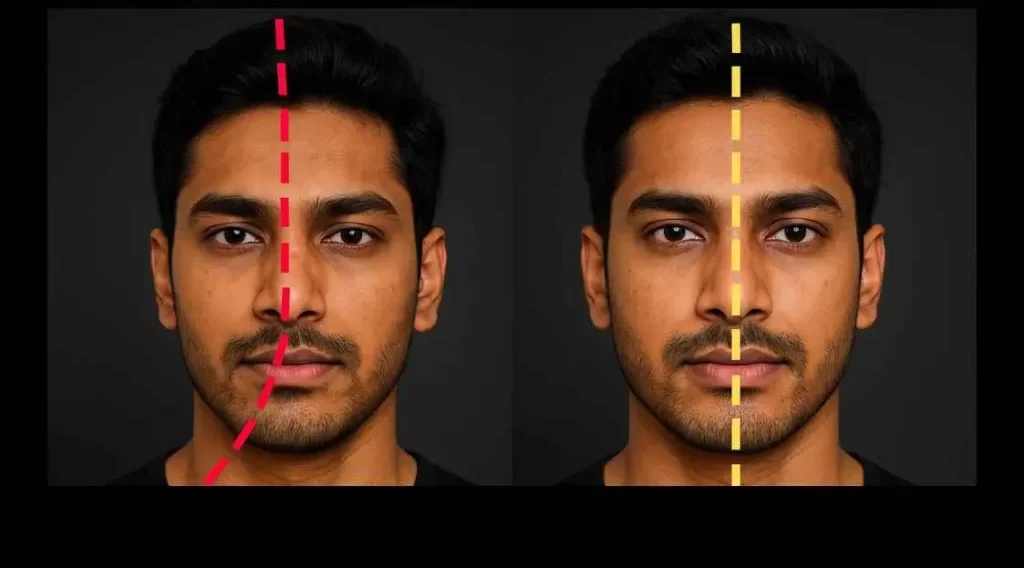
Symmetry of the face has long been connected with beauty, balance, and overall health. However, for most people, Jaw imbalances visible in the face and crooked facial features do not only bring more than esthetic issues, but cause chewing, speech, breathing, and confidence problems too. Luckily, corrective jaw surgery, or orthognathic surgery, is an effective solution that enhances both form and function.
Dr. Aashish Dilip, who specializes in Orthodontics and Smile Correction at BestDenteest, Kharadi, offers precision-based orthognathic surgery treatments that are customized to the individual patient’s facial anatomy. Through modern imaging technology, digital planning, and a passionate commitment to facial aesthetics and dental occlusion, he enables patients to gain not only a balanced appearance—but a healthier existence.
What Is Orthognathic Surgery?
Orthognathic surgery is a corrective surgical procedure aimed at correcting skeletal imbalance between the upper and lower jaws. Such imbalances are either genetic, a result of developmental problems, injury, or conditions such as cleft palate or temporomandibular joint disorders (TMJ).
Among the most frequent reasons why individuals undergo orthognathic surgery are:
Facial asymmetry or unbalanced facial features
Underbite or overbite
Open bite (teeth don’t touch when the mouth is closed)
Trouble chewing, biting, or swallowing
Obstructive sleep apnea
Speech difficulties
Chronic jaw pain or headache
Facial Asymmetry: What It Is and Why It Matters
Small facial asymmetries are common and normal. Yet large discrepancies can cause the face to look uneven and may be joined by functional concerns. For example, a protruded or recessed lower jaw can warp the profile, distort the bite, and influence everyday activities.
At BestDenteest, a thorough diagnostic process-involving 3D imaging, cephalometric analysis, and digital smile simulation-is employed to determine the reason for and degree of the asymmetry. Dr. Aashish Dilip then creates an individualized surgical-orthodontic treatment plan to level the imbalance.
The Orthognathic Surgery Process
Assessment & Planning
It starts with orthodontic alignment. Before surgery, braces or aligners are usually necessary to align the teeth for optimal occlusion. Advanced simulations and scans are utilized to plan the surgery virtually.
Surgical Correction
In surgery, jawbones are repositioned into their correct positions and secured with biocompatible plates and screws. The procedure could be of the upper jaw (maxilla), lower jaw (mandible), or both.
Post-Operative Recovery
Healing normally occurs in 4–6 weeks, with patients being on a soft-food diet and having good oral hygiene. The majority of patients have little visible scarring and resume normal activities within a few weeks.
Final Orthodontics & Refinement
Following healing, orthodontic treatment is continued to refine the bite and improve aesthetics to promote long-term success.
Why Orthognathic Surgery Is More Than Cosmetic
Though the improved beauty of a harmonious, proportionate facial shape is an important result, orthognathic surgery’s greatest worth is in its functional improvements:
Better bite and chewing: Improved alignment ensures better nutrition and comfort.
Clearer speech: Jaw correction can eliminate lisping or mumbling.
Improved breathing: In the case of obstructive sleep apnea, moving the jaw forward opens breathing passages and enhances the quality of sleep.
Jaw joint relief: The alleviation of stress in the temporomandibular joint (TMJ) may relieve chronic pain and mitigate headaches.
Increased confidence: A properly proportioned face may enhance self-esteem and overall psychological well-being.
Expertise That Makes a Difference
Based in Kharadi, Dr. Aashish Dilip treats intricate orthodontic and surgical cases. His interdisciplinary understanding guarantees that the aesthetic and functional dimensions of the smile are taken care of through digital diagnostics, surgical expertise, and empathetic care. At BestDenteest, patients are catered to at every stage of their transformation—right from the consultation process to post-surgical orthodontics and follow-up years later.
Conclusion
Facial asymmetry is not all about looks—it impacts your bite, speech, sleep, and self-esteem. Orthognathic surgery provides a solution to everything by aligning the jaws, re-establishing harmony, and improving both look and function. With the right team and technology, your smile can be reconstructed not only for looks, but for living well.
If you’ve been advised that you might require jaw surgery—or if you’ve been silently struggling with facial asymmetry, bite issues, or chronic jaw discomfort—it’s time to seek expert help. At BestDenteest, Kharadi, Dr. Aashish Dilip, an experienced MDS Orthodontist and Smile Correction Specialist, offers comprehensive evaluation and treatment planning tailored specifically to your facial structure and functional needs.
With a focus on advanced diagnostics, digital planning, and surgical precision, Dr. Aashish ensures every orthognathic case is managed with both aesthetic harmony and long-term health in mind. Whether it’s correcting jaw misalignment, enhancing your bite, or restoring facial balance, his approach is rooted in science, personalized care, and lasting transformation.