Achieving a straight, confident smile has never been more attainable, thanks to advancements in orthodontic treatments. Two of the most popular options for correcting misaligned teeth are Invisalign and traditional braces. Both methods are effective, but they come with unique advantages and considerations. Understanding the differences can help you or your teen make an informed decision.
What Are Traditional Braces?
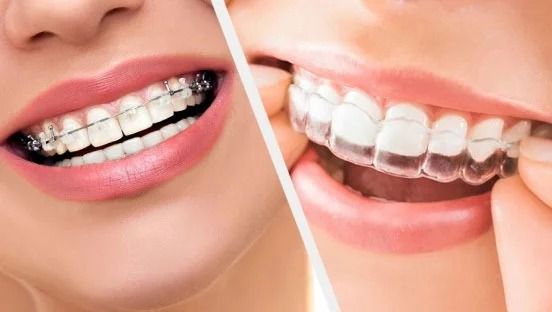
Traditional braces are a time-tested orthodontic solution involving metal brackets, wires, and sometimes elastic bands. The brackets are bonded to each tooth, and wires are adjusted periodically to gradually shift teeth into proper alignment. Ceramic braces, which are tooth-colored, offer a less noticeable alternative while working similarly.
Pros of Traditional Braces
- Effective for Complex Cases
Traditional braces are highly versatile and can correct severe crowding, bite issues, and other complex orthodontic problems that may be challenging for clear aligners. - Reliable and Predictable Results
Because braces are fixed, they continuously apply pressure to teeth, which can make treatment more predictable and often faster for complex cases. - No Compliance Issues
Braces are permanently attached, eliminating the risk of forgetting to wear them or misplacing aligners. - Cost-Effective
Generally, traditional braces are less expensive than Invisalign, making them more accessible for many families.
Cons of Traditional Braces
- Aesthetic Concerns
Metal braces are noticeable, which can be a concern for adults and teens conscious of their appearance. - Discomfort and Irritation
Braces can cause irritation to the gums and cheeks, especially after adjustments. - Dietary Restrictions
Sticky, hard, or chewy foods can damage braces, requiring careful attention to diet. - Oral Hygiene Challenges
Brushing and flossing can be more complicated, increasing the risk of plaque buildup and tooth decay if proper care isn’t taken.
What Is Invisalign?
Invisalign is a modern orthodontic system using a series of custom-made, clear plastic aligners to gradually move teeth into place. Each set of aligners is worn for about one to two weeks before switching to the next set, with adjustments guided by digital treatment planning.
Pros of Invisalign
- Virtually Invisible
Clear aligners are nearly invisible, making them a preferred choice for adults and teens concerned about aesthetics. - Removable
Aligners can be removed for eating, drinking, brushing, and flossing, allowing for better oral hygiene and fewer dietary restrictions. - Comfortable
Smooth plastic aligners reduce irritation to gums and cheeks compared to metal braces. - Predictable Digital Planning
Invisalign treatment uses advanced digital imaging to map tooth movement, giving patients a clear preview of the expected results.
Cons of Invisalign
- Compliance Dependent
Aligners must be worn 20–22 hours per day for effective results. Non-compliance can delay treatment. - Limited for Complex Cases
Severe bite issues, large gaps, or significant rotations may not be fully correctable with Invisalign. - Cost
Invisalign is generally more expensive than traditional braces due to the technology and customization involved. - Potential for Loss or Damage
Because aligners are removable, they can be misplaced or damaged, affecting the treatment timeline.
Comparing Treatment Duration
- Traditional Braces: Typically 18–36 months, depending on the complexity of the case.
- Invisalign: Usually 12–24 months for mild to moderate cases. Complex cases may require additional refinements.
Treatment duration can vary widely based on the individual case, age, and how consistently aligners are worn.
Choosing the Right Option
Selecting between Invisalign and traditional braces depends on several factors:
- Severity of Misalignment:
Severe crowding, deep bites, or rotated teeth may be better treated with braces. Mild to moderate cases can often be corrected with Invisalign. - Aesthetic Preference:
Adults or image-conscious teens may prefer Invisalign for its discreet appearance. - Lifestyle and Compliance:
Invisalign requires responsibility to wear aligners consistently, whereas braces work continuously without user intervention. - Budget Considerations:
Traditional braces are often more cost-effective, while Invisalign offers convenience and aesthetics at a higher price point. - Oral Hygiene:
Those with challenges maintaining oral hygiene may benefit from Invisalign’s removable design.
Conclusion
Both Invisalign and traditional braces are effective tools for achieving a beautiful, healthy smile. Traditional braces are reliable and ideal for complex dental issues, while Invisalign offers a discreet and convenient solution for mild to moderate misalignments.
At Pune Best Dentist, Kharadi, Dr. Aashish Dilip specializes in orthodontics and smile design, offering personalized treatment plans that combine precision, aesthetics, and modern technology. Whether you choose Invisalign or traditional braces, Dr. Aashish ensures every patient receives a tailored approach to restore both the function and appearance of their smile.