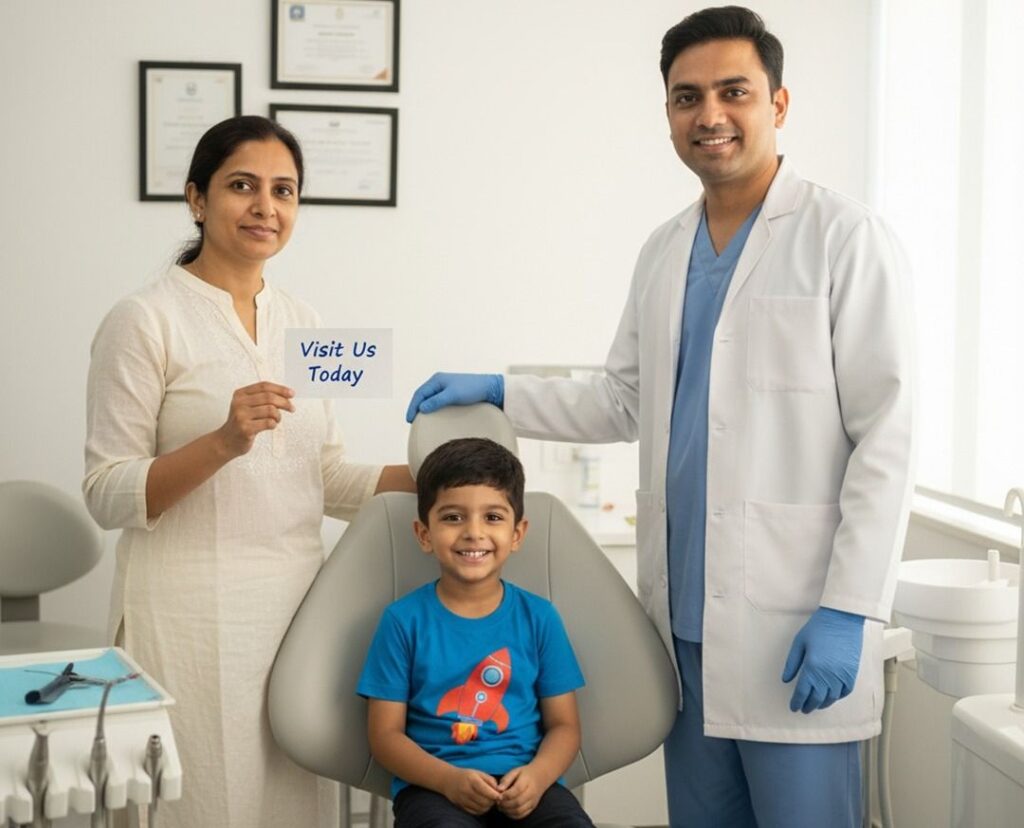
For many children, visiting the dentist can feel intimidating—not because they expect pain, but because the environment itself feels unfamiliar. A moving dental chair, bright lights overhead, strange tools, and unfamiliar smells can make a child anxious even before the examination begins. As a parent, it’s completely natural to wonder, “Will my child experience pain during dental treatment?”
The good news is that pediatric dentistry has evolved significantly. Today, painless dental treatment for kids is possible in most situations, especially when oral problems are identified early and managed with gentle, child-centered care. With the right dental team and a supportive approach, dental visits can be calm, comfortable, and even help children feel more confident over time.
This guide explains what painless kids dentistry truly involves, which treatments are usually comfortable, and how parents can help make dental visits stress-free for their children.
What Does Painless Kids Dentistry Really Mean?
It’s important to set realistic expectations. No medical or dental procedure can promise that a child will feel absolutely nothing. However, painless dentistry focuses on reducing discomfort and eliminating fear as much as possible. The goal is to ensure that your child experiences:
- Minimal physical discomfort
- No sharp or sudden pain
- Proper numbing whenever required
- Emotional reassurance and a sense of safety
- A calm, welcoming environment
In simple terms, painless kids dentistry is about managing pain and reducing anxiety. In many cases, fear causes more distress for children than the treatment itself. When fear is handled properly, dental care becomes much smoother and easier for everyone involved.
Why Do Children Feel Scared at the Dentist?
Children are naturally cautious in new surroundings, and dental clinics can feel overwhelming. Common reasons for dental fear include:
- Fear of injections
- Tooth sensitivity from cavities
- Loud or unfamiliar sounds
- A previous uncomfortable experience
- Scary stories shared by others
- Feeling a lack of control
Parents can sometimes unintentionally increase fear by using words like “needle,” “drill,” or “it won’t hurt.” Even when said kindly, these words can make children anxious.
A better option is calm, positive language such as:
“The dentist will clean your teeth and help keep them healthy and strong.”
Dental Treatments That Are Usually Comfortable for Children
When dental issues are treated early, most procedures are quick and gentle. Many common treatments involve little to no discomfort, including:
1) Routine Dental Check-ups
Regular dental examinations are painless and help identify problems before they turn serious.
2) Professional Teeth Cleaning
Gentle cleaning removes plaque and supports healthy gums. Children usually find this easy when gums are healthy.
3) Cavity Fillings
Small cavities can be treated comfortably using appropriate numbing methods. Early fillings are faster and much easier for children to tolerate.
4) Fluoride Application
Fluoride strengthens tooth enamel and helps prevent decay. The process is quick, safe, and completely painless.
5) Pit and Fissure Sealants
Sealants are thin protective layers applied to back teeth to prevent cavities. Since no drilling is involved, children feel no pain.
6) Pulp Treatment for Milk Teeth
If decay reaches the nerve, pulp treatment may be required. While it sounds intimidating, modern anesthesia and gentle techniques make it comfortable for children.
How Dentists Keep Kids Comfortable During Treatment
A child-friendly dental clinic focuses on emotional comfort as much as oral health. Pediatric dentists use several proven methods to help children feel relaxed:
Simple, Friendly Communication
Dentists explain procedures in easy, reassuring language and avoid scary terms to build trust.
Numbing Gel Before Anesthesia
Before giving local anesthesia, a numbing gel is applied so the injection is barely noticeable.
Age-Appropriate Local Anesthesia
Anesthesia is carefully chosen based on the child’s age, weight, and procedure to ensure effective pain control.
Gentle Tools and Techniques
Smaller instruments and soft handling reduce discomfort, and dentists avoid rushing the child.
Distraction and Relaxed Atmosphere
Cartoons, toys, and friendly conversation help divert attention and reduce anxiety.
Why Early Dental Visits Make All the Difference
One key reason children experience dental pain is delayed treatment.
When cavities are ignored:
They grow deeper
Infection can spread
Pain may start suddenly, often at night
Swelling may develop
Treatment becomes more complex
When dental issues are detected early:
Procedures are quick
Treatment is simpler
Discomfort is minimal
Painless dentistry isn’t only about advanced techniques—it’s also about timely dental care.
How Parents Can Prepare Their Child for a Dental Appointment
Parents strongly influence how children perceive dental visits.
What Parents Should Do
Talk positively about dental care
Stay calm and reassuring
Schedule check-ups before pain occurs
Praise your child for cooperation
What Parents Should Avoid
Avoid discussing injections or drilling
Don’t use the dentist as a threat
Don’t make unrealistic promises
Never force or frighten the child
Children mirror their parents’ emotions. When you remain relaxed, your child feels safe.
Conclusion
Painless dental treatment for kids is very much a reality today. With modern dental methods, gentle anesthesia, and child-friendly communication, children can receive dental care without fear or discomfort. The most effective way to ensure a stress-free experience is early action—regular dental visits and timely treatment always lead to simpler, faster, and more comfortable care for children.
Doctor Name: Dr. Aashish Dilip
Clinic Name: Pune Best Dentist
Website: https://punebestdentist.com/