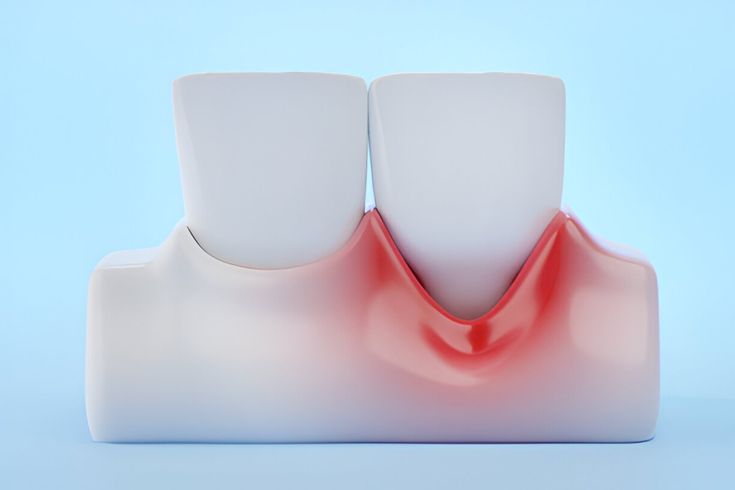
Bleeding gums, puffiness, and ongoing bad breath can be minor issues at first, but they usually are the early warning signs of periodontal (gum) disease—a major reason for tooth loss among adults. Fortunately, contemporary dentistry now has painless gum procedures and state-of-the-art periodontal treatments that revitalize the gums without the pain or apprehension of older methods.
In this guide, we’ll explore the causes of bleeding gums, available surgical and non-surgical treatments, technological innovations in gum care, and how painless procedures are transforming the patient experience.
What Causes Bleeding Gums?
Bleeding gums are most often due to plaque, which results in gingivitis—the initial stage of gum disease. Gingivitis, if not treated, can lead to periodontitis, a more severe condition that involves the soft tissue and bone that support your teeth.
Common causes are:
Poor oral hygiene
Smoking or tobacco use
Vitamin deficiencies (particularly Vitamin C and K)
Hormonal changes (e.g., pregnancy or menopause)
Chronic health conditions like diabetes or cardiovascular disease
Crooked teeth or poorly restored teeth
Why Early Treatment of Gum Disease Matters:
Not taking gum disease seriously doesn’t only impact your mouth—it has been associated with systemic conditions such as cardiovascular disease, diabetes, and even pregnancy complications. Treating gum disease early can stop tooth loss, save bone structure, and save your overall health.
Traditional vs. Modern Gum Surgery
Traditional gum procedures typically included cutting and stitching, which was painful and demanded more recovery time. Thankfully, contemporary methods have minimally invasive alternatives that are softer, quicker, and essentially painless.
Painless Gum Surgery Methods
1. Laser-Assisted Periodontal Therapy (LANAP)
The FDA-approved procedure employs soft-tissue lasers to destroy and eliminate infected tissue without scalpel or stitches.
Advantages:
Minimally invasive
Encourages quicker healing
Less bleeding and swelling
Saves healthy tissue
2. Flap Surgery (Minimally Invasive)
A minor flap is opened in the gum to reach deep under the gumline and dislodge tartar and bacteria. This procedure has advanced with micro-surgical tools and is less sensitive than customary surgery.
3. Gum Grafting
Applied to cover roots exposed to the mouth and restore receded gums. More recent graft techniques minimize post-op pain and speed up healing time.
4. Pinhole Surgical Technique (PST)
A revolutionary method of treatment for gum recession without surgery or suturing. A small hole is drilled in order to loosen and reposition gum tissue.
Advantages:
No stitches or cuts
Minimal recovery time
Immediate cosmetic improvement
5. Scaling and Root Planing (Deep Cleaning)
A non-surgical procedure to remove plaque and tartar below the gumline and smoothen the root surfaces to allow reattachment of the gums.
Indications You Might Need Gum Surge
Bleeding gums upon brushing or flossing
Red, tender, or swollen gums
Receding gum line
Persistent bad breath or an unpleasant taste in the mouth
Loose or mobile teeth
Pus between the teeth and gums
If you are suffering from any one of these symptoms, a consultation with a dental specialist or a periodontist is advised.
Post-Treatment Care and Healing
Pain-free gum procedures often mean faster recovery and less pain, but good aftercare is crucial for long-term success.
Aftercare Tips:
Take your dentist’s medication as directed
Use prescribed antimicrobial mouthwash
Opt for soft, easy-to-chew foods in the first few days after treatment. Avoid alcohol and smoking during healing
Brush with care using a soft-bristled toothbrush
Regular follow-up visits
Benefits of Contemporary Gum Surgery
Less pain and discomfort
No use of conventional stitches in most instances
Quick healing and less downtime
Enhanced gum appearance and coverage
Natural teeth and bone preservation
Reduced risk of infection or complications
Conclusion
Gum health is an integral aspect of your overall health, and bleeding gums must never be dismissed. As painless gum surgery and laser-based treatments have advanced, having periodontal disease controlled and reversed has never been easier or more convenient. These advanced treatments not only preserve your teeth but also restore confidence in your smile.
If your gums are bleeding or you have other signs of gum disease, don’t let it get any worse. Talk to a trained dental professional about pain-free, minimally invasive treatment solutions that will restore your gums to their healthy state—safely and comfortably.
For expert evaluation and advanced gum care, consult Dr. Aashish Dilip, a highly experienced orthodontist based in Kharadi. Known for his precision and patient-focused approach, Dr. Dilip offers modern, minimally invasive treatments to address gum issues effectively. Whether you’re dealing with early gum disease or need advanced surgical care, his clinic is equipped with the latest technology to ensure gentle, effective, and long-lasting results.