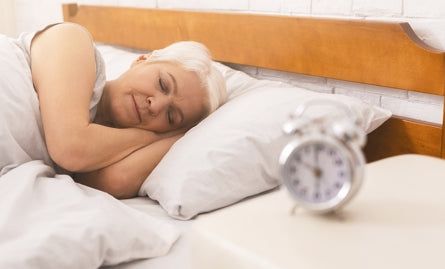
As we age, our bodies undergo many changes that can affect sleep quality. One common but often overlooked condition in seniors is sleep apnea, a disorder characterized by repeated pauses in breathing during sleep. Sleep apnea not only disrupts rest but can also increase the risk of serious health problems, particularly in older adults. Understanding the risks and management options is crucial for maintaining health and quality of life in seniors.
What Is Sleep Apnea?
Sleep apnea occurs when the airway becomes partially or completely blocked during sleep, causing breathing pauses that can last from a few seconds to over a minute. The most common type, obstructive sleep apnea (OSA), occurs due to relaxation of the throat muscles. Less common is central sleep apnea, where the brain fails to signal the muscles to breathe.
Frequent pauses in breathing lead to fragmented sleep and reduced oxygen levels in the blood, affecting both the brain and the cardiovascular system.
Why Seniors Are at Higher Risk
Aging naturally increases the risk of developing sleep apnea for several reasons:
- Loss of Muscle Tone
Throat and airway muscles may weaken with age, making airway collapse more likely during sleep. - Weight Gain
Many seniors experience weight gain, particularly around the neck, which can contribute to airway obstruction. - Changes in Sleep Patterns
Older adults often experience lighter, more fragmented sleep, which can exacerbate apnea episodes. - Chronic Health Conditions
Hypertension, diabetes, and heart disease, which are more common in seniors, are closely linked with sleep apnea. - Medication Side Effects
Certain medications used by seniors, such as sedatives or muscle relaxants, may worsen breathing difficulties at night.
Common Symptoms in Older Adults
Sleep apnea symptoms can sometimes be subtle in seniors or mistaken for normal aging. Key signs include:
- Loud snoring or choking/gasping during sleep
- Excessive daytime sleepiness or fatigue
- Morning headaches or dry mouth
- Cognitive changes like memory loss or difficulty concentrating
- Mood changes, including irritability or depression
Because these symptoms overlap with other age-related conditions, sleep apnea often goes undiagnosed in older adults.
Health Risks Associated with Sleep Apnea in Seniors
Untreated sleep apnea can have serious consequences, particularly in seniors:
- Cardiovascular Disease
Frequent oxygen deprivation increases the risk of high blood pressure, heart attack, and stroke. - Cognitive Decline
Poor sleep and reduced oxygen levels can accelerate memory loss, confusion, and even contribute to dementia. - Falls and Accidents
Daytime fatigue increases the likelihood of falls, a major health concern for older adults. - Diabetes and Metabolic Issues
Sleep apnea is associated with insulin resistance, increasing the risk of type 2 diabetes. - Reduced Quality of Life
Persistent fatigue, irritability, and impaired social interactions can significantly affect well-being.
Diagnosis and Monitoring
Sleep apnea is typically diagnosed through a sleep study (polysomnography), which can be conducted in a clinic or at home. The test monitors breathing patterns, oxygen levels, heart rate, and sleep stages. Early detection is key to preventing complications and improving overall health.
Treatment Options for Seniors
Several effective treatment options exist for older adults with sleep apnea:
- CPAP Therapy
Continuous positive airway pressure (CPAP) machines keep the airway open by providing gentle air pressure. This is the most common and effective treatment for moderate to severe cases. - Oral Appliances
Custom dental devices reposition the jaw and tongue to maintain an open airway. These are often more comfortable for seniors who struggle with CPAP compliance. - Lifestyle Modifications
Weight management, quitting smoking, reducing alcohol intake, and changing sleep positions can significantly reduce apnea episodes. - Surgical Options
In certain cases, surgical interventions may be considered to remove obstructions or reposition anatomical structures in the airway.
Tips for Seniors to Manage Sleep Apnea
- Maintain a Healthy Weight: Even modest weight loss can reduce airway obstruction.
- Sleep on Your Side: Avoid sleeping on your back, which increases airway collapse.
- Limit Alcohol and Sedatives: These relax throat muscles and worsen apnea.
- Stay Active: Regular physical activity improves overall sleep quality.
- Regular Check-ups: Seniors with cardiovascular or metabolic conditions should be screened for sleep apnea.
Conclusion
Sleep apnea in seniors is a serious but manageable condition. Early diagnosis and treatment can improve sleep quality, cognitive function, and overall health. At Pune Best Dentist, Kharadi, Dr. Aashish Dilip offers a comprehensive approach to oral and dental health, including devices and guidance for patients with sleep apnea. With expertise in orthodontics and smile design, Dr. Aashish ensures personalized treatment plans that enhance both functionality and aesthetics. His clinic in Kharadi, Pune, is equipped to address dental and oral factors that contribute to sleep apnea, helping seniors achieve better rest, improved health, and a higher quality of life.